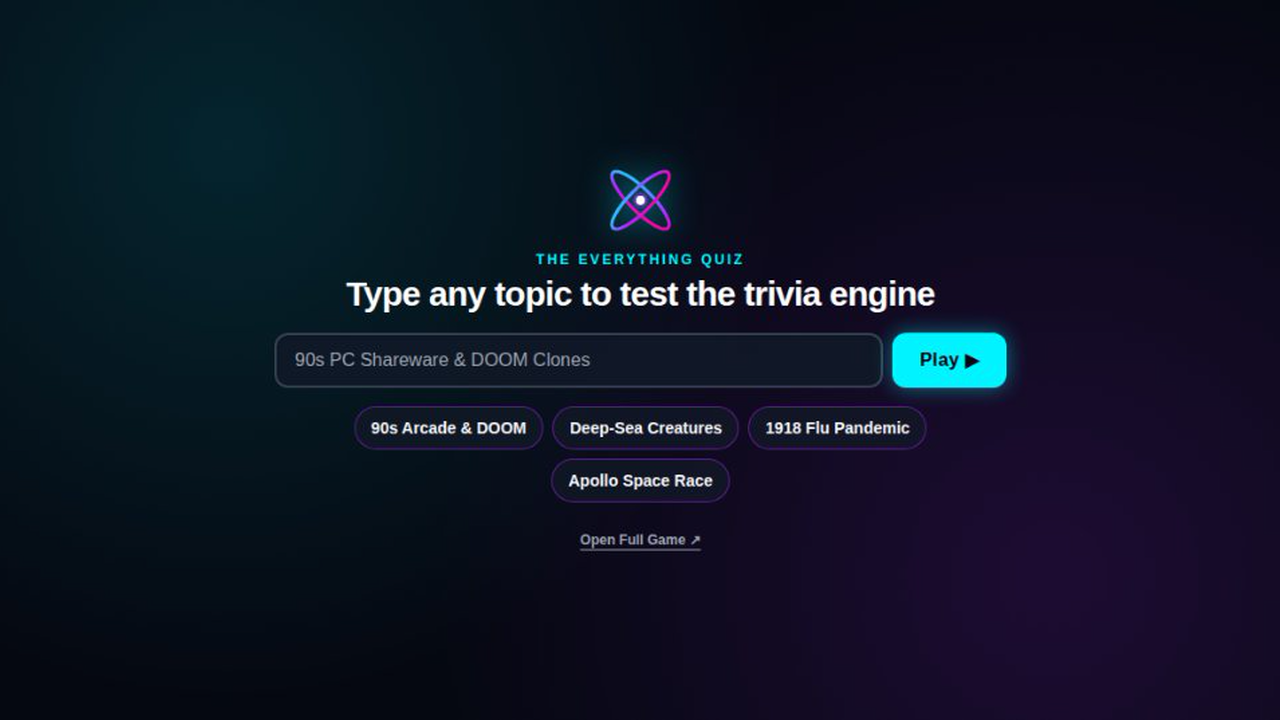
The Everything Quiz
Join from desktop or phone via room code, choose solo or party play in five languages, earn Sparks, and test custom topics generated by the Smart Engine.
Competitive browser sandboxes, deterministic multiplayer arenas, Smart Engine trivia, and transparent engineering notes from Dublin, Ireland.
Join from desktop or phone via room code, choose solo or party play in five languages, earn Sparks, and test custom topics generated by the Smart Engine.
CONTROLS // Click or tap answer cards · Host on desktop & join via mobile room code
Join from desktop or phone via room code, choose solo or party play in five languages, earn Sparks, and test custom topics generated by the Smart Engine.
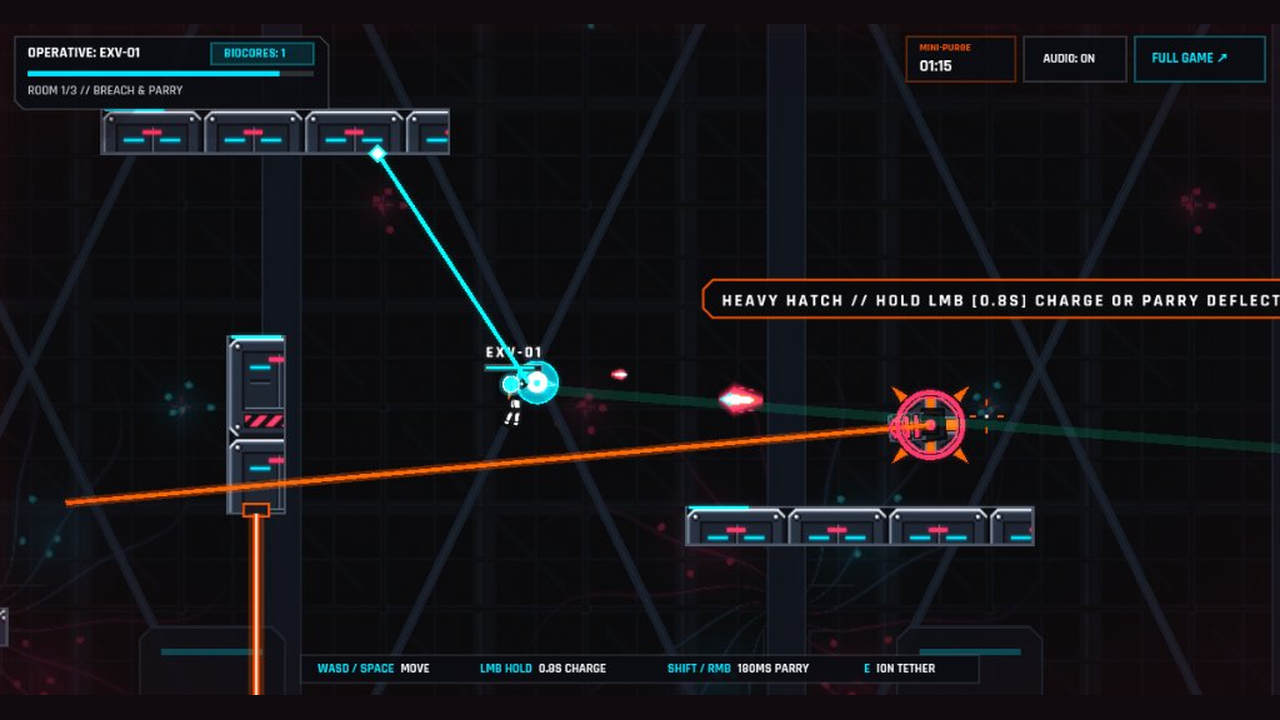
Up to 16 operatives and security drones breach colored bulkheads, tether BioCore canisters, deflect lasers with Phase Dash Parry, and escape before Sector Purge.
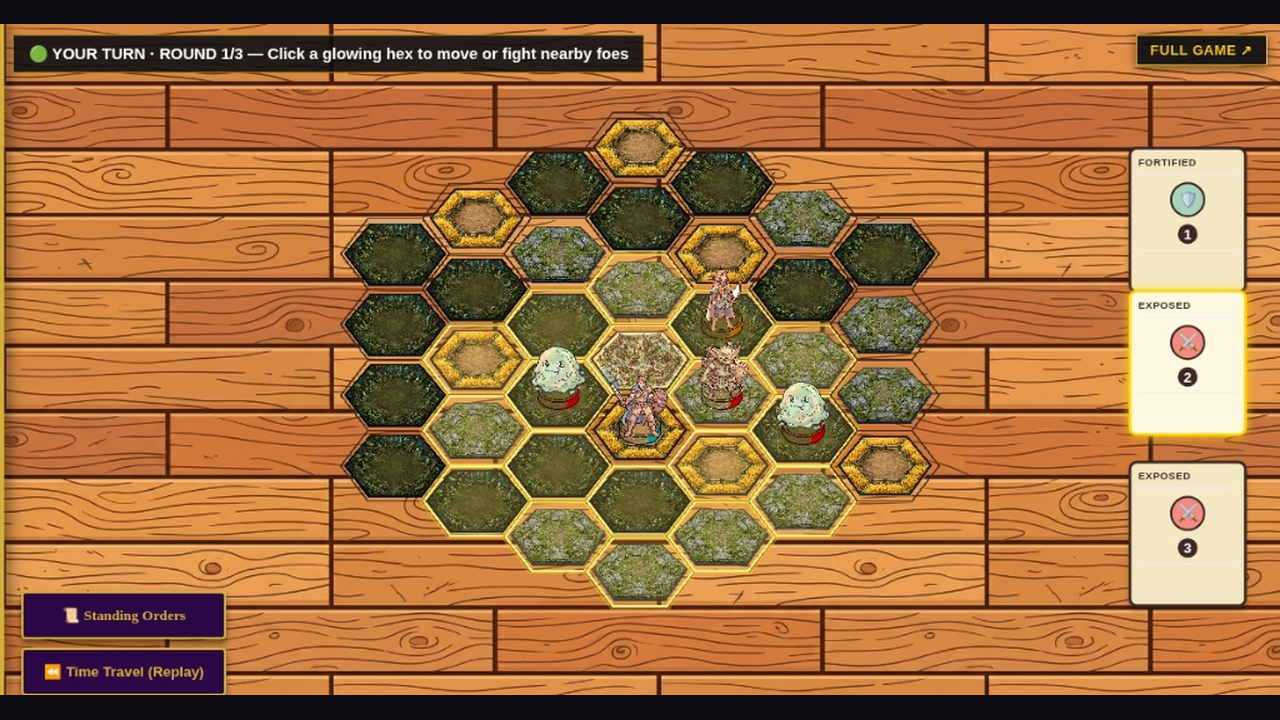
Navigate competing noble factions, fiscal decrees, and court intrigue in a WebGL browser strategy sandbox integrated with Crenet Link progression.
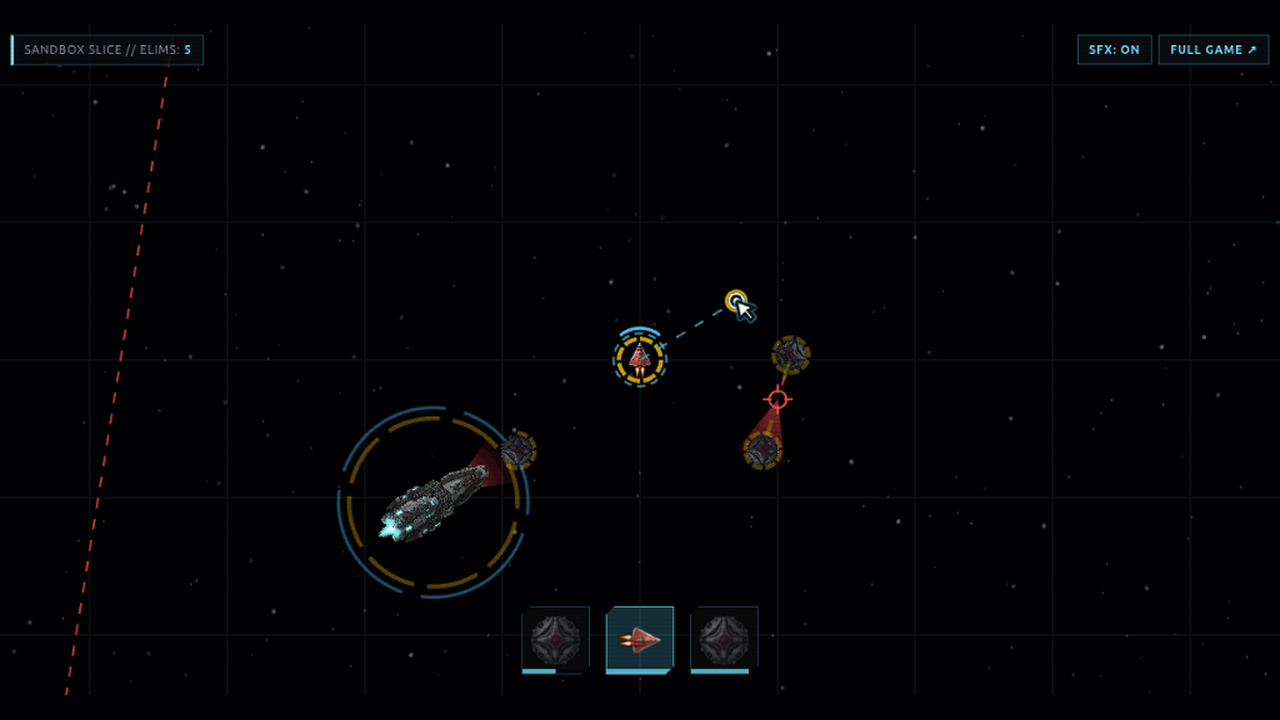
Pilot an agile starfighter through vertical-scrolling waves, weave past enemy fire with responsive single-touch movement, collect upgrades, and challenge bosses.
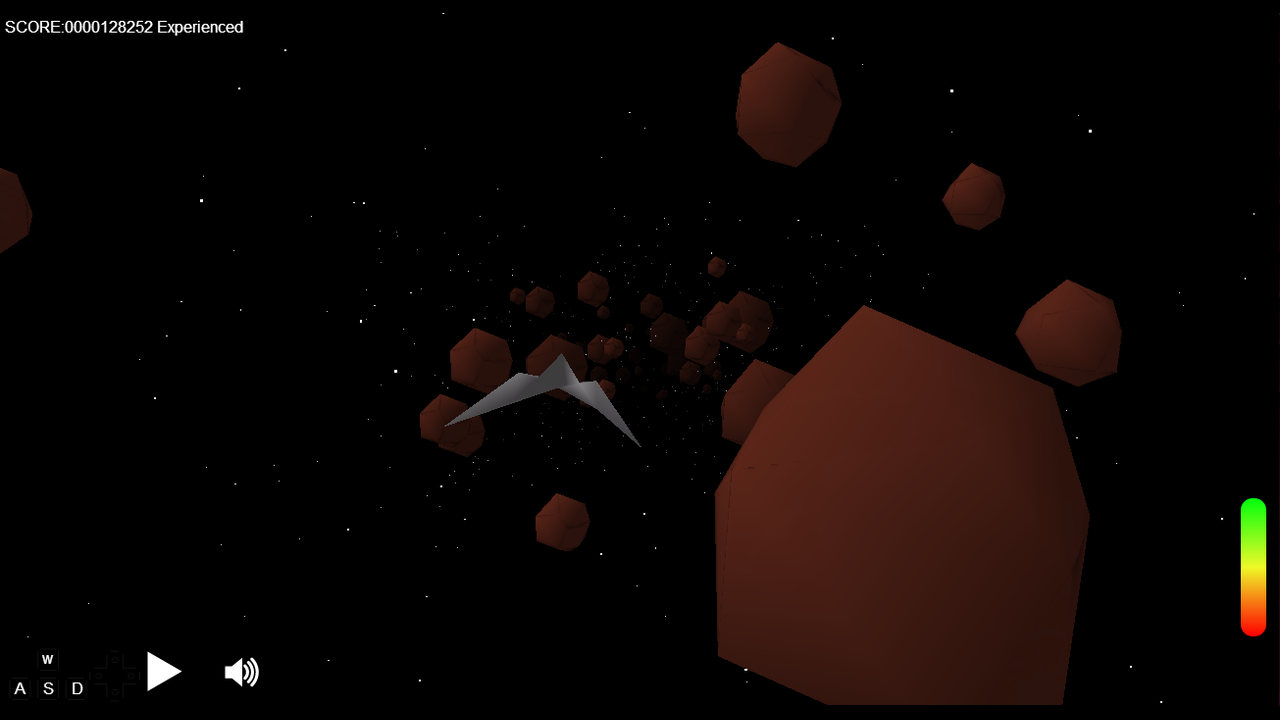
Originally launched in 2013 as Crenet Games' inaugural browser WebGL release, Shipsteroids throws an interceptor through accelerating 3D asteroid waves. Open the restored Three.js build directly in your browser with local high-score tracking and six pilot ranks from Newcomer to Ace Pilot.
On November 10, 2026, Crenet Games launched four mutually reinforcing web and video surfaces anchored around ExVector (XV) and our coined Xtractvania subgenre. Within three hours and nineteen minutes, unpersonalized Search Generative Mode sessions synthesized our three core gameplay pillars, embedded the showcase cut, and linked directly to the live browser sandbox at zero advertising spend. This engineering retrospective explains how query fan-out corroborates server-rendered Schema.org JSON-LD graphs against video captions and third-party discussions, why ExVector collides with academic speech papers, and why retrieval metadata must remain decoupled from community-facing copy.
Read Technical Deep Dive →Combining non-linear Metroidvania progression with PvPvE extraction creates an immediate soft-lock hazard whenever rival operatives seal corridors behind upgrade-gated bulkheads. In ExVector, up to sixteen operatives and autonomous security drones enter seeded twelve-to-sixteen sector graphs validated for at least three structural loops and breadth-first safe spawn routing. We walk through how the rapid-fire blaster and charge beam unlock colored hatches, how our 180-millisecond Phase Dash Parry triggers 60-millisecond hit-stop reflection, how capsule traversal and analog IonTether momentum feel responsive, and how overlapping thirty-minute raid epochs prevent dead queues across browser sessions before the Sector Purge.
Read Technical Deep Dive →Live two-phase Smart Engine synthesis gave The Everything Quiz accurate custom trivia rounds, yet also imposed a fifteen-second generation delay and per-session API cost that exceeded ad revenue economics. Rather than stalling multiplayer lobbies during every topic request, Crenet Games migrated question persistence to Supabase PostgreSQL and embedded 11,050 existing prompts with 768-dimensional multilingual vectors. By routing incoming player topics through IVFFlat cosine similarity at a tuned 0.40 threshold, median lookup latency fell from fifteen seconds to 297 milliseconds while offline batch workers backfill sparse subjects seamlessly, preserving smooth host and mobile room pacing without continuous token spend.
Read Technical Deep Dive →CONTROLS //